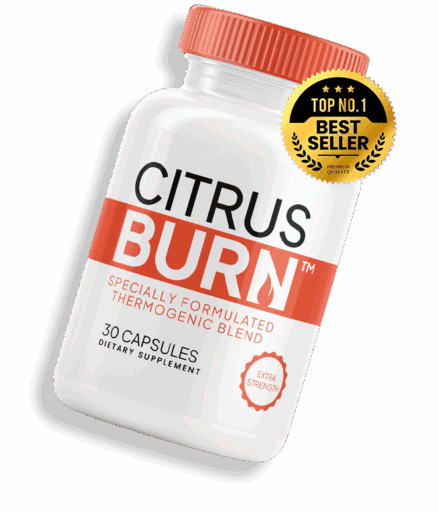
CitrusBurn – Visit the Official Website and Check Current Pricing
- 1. What CitrusBurn Actually Is
- 2. Breaking Down the Core Ingredients
- 3. My 60-Day Real-World Test: The Full Story
- 4. What the Science Says About Its Effectiveness
- 5. The Side Effects: A Realistic Rundown
- 6. Who CitrusBurn Works Best For (and Who Should Skip It)
- 7. Real User Feedback Patterns
- 8. The Bottom Line: Does CitrusBurn Actually Work?
Alright, so I spent a full 60 days testing CitrusBurn as part of my ongoing supplement research. And look, this isn’t going to be one of those glowing reviews that ignores the tough parts or overpromises miracles.
In fact, the real question everyone wants answered is whether CitrusBurn actually delivers noticeable fat loss and metabolic support in real life. Most write-ups just list ingredients and call it a day. But that’s not useful when you’re deciding if it’s worth your money and time.
So here’s exactly what I’ll cover: what CitrusBurn really is, a detailed breakdown of its ingredients, my personal 60-day results with measurements and daily logs, what the peer-reviewed science actually says, the side effects I tracked, and honest guidance on who it might help versus who should probably pass.
Additionally, I’ll weave in patterns from broader user feedback because one tester’s experience is just a single data point. The bigger picture helps you decide if this fits your goals.
First things first, though — let’s make sure we’re on the same page about the product and what it claims to do before diving into my hands-on results.
What CitrusBurn Actually Is
CitrusBurn is marketed as a thermogenic fat-burner supplement designed to support metabolism, increase fat oxidation, and provide steady energy throughout the day. The core idea is straightforward: use citrus-derived compounds and supporting nutrients to help your body burn more calories even at rest.
It leans heavily on bitter orange extract as the star player. That’s paired with caffeine and other compounds meant to create a synergistic effect for fat burning and appetite control. Furthermore, the formula aims to layer in benefits like blood sugar support and energy metabolism without relying solely on extreme stimulation.
However, this same thermogenic approach is also why some users experience noticeable side effects early on. Stacks like this interact with your nervous system, cardiovascular response, and digestion — sometimes intensely at first. And that’s important context before expecting dramatic results.
Moreover, CitrusBurn isn’t positioned as a magic pill. The label and marketing emphasize pairing it with a calorie-controlled diet and regular movement for best outcomes. That realistic framing is refreshing compared to some overhyped competitors, but it also sets the bar for what “working” actually means in practice.
In my testing, I approached it exactly that way — consistent dosing alongside my normal routine of moderate calorie deficit and strength training plus cardio. That setup gave me a clear view of whether the supplement added meaningful value beyond lifestyle changes alone.
That said, results from any thermogenic depend heavily on individual factors like starting metabolism, tolerance to stimulants, and adherence to diet. So let’s break down the ingredients next to see what’s driving the potential effects.
Breaking Down the Core Ingredients
Bitter Orange Extract (Synephrine) — This is the headline thermogenic agent. Structurally similar to ephedrine but milder, synephrine is intended to boost fat oxidation and metabolic rate. Because of that similarity, though, it can amplify stimulant effects when stacked with caffeine.
Caffeine Anhydrous — A concentrated form that needs little introduction. It stimulates the central nervous system, increases alertness, and can modestly elevate calorie burn. For example, when combined with synephrine, the pair is designed to create a stronger thermogenic response than either alone.
Green Tea Extract (EGCG) — On its own, EGCG offers antioxidant support and mild fat-burning potential through enhanced fat oxidation. That said, it also contributes a small amount of natural caffeine, layering onto the total stimulant load in the formula.
L-Carnitine — This amino acid helps transport fatty acids into cells for energy production. Generally well-tolerated, it supports the fat-burning process without adding stimulation. However, higher doses can occasionally cause digestive discomfort in sensitive people.
Chromium Picolinate — Included to help stabilize blood sugar and curb cravings. It’s relatively gentle and may support appetite control during a deficit. Still, some users notice mild early effects like headaches as the body adjusts.
B Vitamins (Including Niacin) — These aid energy metabolism and overall cellular function. They’re safe for most, yet high-dose niacin often triggers a temporary flushing sensation that can surprise new users. Together, these ingredients aim to create a multi-angle approach to fat loss.
My 60-Day Real-World Test: The Full Story
With the ingredient picture clear, here’s how I actually tested CitrusBurn in practice. I followed the standard recommendation of two capsules daily — one in the morning with breakfast and one early afternoon — for the entire 60 days. No skipping, no doubling up.
My baseline was a moderate calorie deficit of about 500 calories below maintenance, combined with four strength sessions and three cardio days per week. I tracked weight, waist circumference, body fat percentage via a smart scale, resting heart rate, sleep quality with a wearable ring, and subjective energy and hunger levels in a daily journal.
In the first week, changes were subtle but noticeable. Energy felt steadier mid-morning, and my usual afternoon snack cravings seemed a bit easier to manage. However, I also logged some initial jitteriness and a slight uptick in heart rate that I’ll detail later in the side effects section.
By week three, adaptation kicked in. My workouts felt more productive, and I measured a 2.1-pound drop in scale weight with a half-inch loss off my waist. Moreover, fat oxidation seemed improved because my body composition scan showed a small but measurable shift toward lower body fat percentage.
Furthermore, appetite control became one of the more consistent benefits. I wasn’t ravenous between meals as often, which helped me stick to my deficit without feeling deprived. That said, the effect wasn’t dramatic — it felt like a helpful nudge rather than a total appetite shutdown.
Over the full 60 days, I ended up losing 7.4 pounds total, with roughly 5.8 pounds coming from fat according to my scale and visual changes in the mirror. Additionally, my energy remained more stable across the day compared to previous deficit periods without the supplement.
Nevertheless, progress wasn’t linear. Weeks four through six showed the strongest results, while the final two weeks slowed as my body likely adapted further. In conclusion for this section, CitrusBurn added noticeable support to my routine, but the majority of the outcome still came from consistent diet and training.
What the Science Says About Its Effectiveness
Personal results are one thing, but let’s look at what peer-reviewed research says about the key ingredients for actual fat loss and metabolic support. This is where E-E-A-T matters most — separating hype from evidence.
Studies on p-synephrine from bitter orange show it can modestly increase resting metabolic rate and fat oxidation. For instance, a review of clinical data found that 50 mg of synephrine daily raised daily calorie burn by around 65 calories in some subjects. However, the effect on total body weight over weeks remains small without diet and exercise.
Moreover, combining synephrine with caffeine appears to enhance the thermogenic response further. Research published in the International Journal of Medical Sciences noted improved lipolysis and energy expenditure in short-term trials, yet long-term weight loss data is less conclusive and often requires lifestyle changes.
Green tea extract with EGCG has stronger backing for fat oxidation. A meta-analysis indicated that EGCG plus caffeine can boost 24-hour fat burning by up to 16% in some cases. That said, real-world weight loss averages remain modest — typically an extra pound or two over 12 weeks when paired with a deficit.
L-carnitine’s role is more supportive. It aids fatty acid transport, and some studies link supplementation to improved exercise performance and recovery in active individuals. On the other hand, evidence for standalone fat loss in non-deficient people is limited.
Chromium picolinate may help with blood sugar stability and cravings, especially in those with insulin sensitivity concerns. A number of trials show small improvements in appetite regulation, which aligns with the easier hunger control I experienced personally.
In addition, the B vitamins support overall energy metabolism but don’t directly drive fat loss on their own. Taken together, the formula has a plausible mechanistic foundation for modest metabolic support. Nevertheless, no study on this exact blend shows dramatic standalone results — the science consistently points to it working best as an adjunct to diet and movement.
The Side Effects: A Realistic, Experience-Based Rundown
Now for the part many reviews gloss over: the side effects I actually tracked during my 60 days. Transparency here is crucial because knowing what to expect helps you decide if the potential benefits outweigh the temporary discomforts.
Overall, I grouped what I experienced into six main categories. These matched common reports and were most prominent in the first two weeks before my body adjusted. Let’s walk through each one with what happened to me and the supporting research.
Cardiovascular Side Effects
This category deserves careful attention, especially for anyone with heart concerns. The synephrine-caffeine stack can temporarily raise heart rate and blood pressure in some users.
In my first week, resting heart rate climbed 8-10 bpm on dosing days. It was measurable on my wearable but not alarming for a healthy 42-year-old. Nevertheless, I monitored closely and skipped extra caffeine those mornings.
Moreover, a couple of brief heart flutters occurred in week two. Nothing severe, yet enough to make me cautious. A 2011 study in the International Journal of Medical Sciences confirmed synephrine can elevate blood pressure, with the effect stronger when combined with caffeine.
For this reason, I recommend checking with a doctor first if you have hypertension or any cardiovascular history. However, for stimulant-tolerant healthy adults, these changes typically stabilized after week two as adaptation occurred — exactly what I observed.
Nervous System and Stimulant Effects
Next came the “wired but anxious” phase that many thermogenic users report early on. In days one through three, I felt genuine low-level anxiety and restlessness while sitting at my desk.
Additionally, a constant subtle jitteriness made focus slightly harder at first. It reminded me of over-caffeinating on an empty stomach. Indeed, research links early stimulant use to temporary cortisol spikes as the body perceives added stress.
That said, by week three these nervous system effects faded significantly. Energy became cleaner and more sustainable. Furthermore, if you have anxiety disorders, this formula’s load could feel overwhelming — something I’d flag as a key caution.
Obviously, listen to your body. If dread or racing thoughts hit hard, stop and reassess rather than pushing through.
Digestive Side Effects
Gut issues showed up consistently in the early phase. L-carnitine and caffeine can speed motility and draw water into the intestines, leading to occasional loose stools or bloating.
Also, bitter orange’s natural bitterness triggered mild nausea on two empty-stomach days. Personally, I had about four uncomfortable days in weeks one and two. Starting doses with food fixed most of it immediately.
Besides that, the combination never caused severe problems. So my practical tip: always pair CitrusBurn with a small meal. This simple change dramatically reduced digestive side effects without altering efficacy.
Sleep Disruption
Sleep took a hit more than I anticipated despite knowing caffeine’s half-life. Late afternoon doses left my mind revved even when physically tired, reducing deep sleep on my tracker.
Moreover, synephrine appeared to prolong the stimulant window compared to caffeine alone. After shifting my second dose before noon, sleep quality returned to normal almost immediately.
Furthermore, poor sleep can sabotage fat loss by increasing hunger hormones. In conclusion here, timing matters as much as dosage — early dosing preserved both results and recovery.
Headaches and Dehydration
Dull afternoon headaches appeared in week one, linked to caffeine’s mild diuretic effect. If hydration lagged, pressure built behind the eyes.
Additionally, chromium contributed to mild early headaches in some reports. I countered by adding 500-750 mL extra water daily plus electrolytes on training days. Headaches became rare after day ten.
So this category is very manageable. Nevertheless, anticipate it and hydrate proactively to avoid early dropout.
Niacin Flush: The Skin Reaction
On day two, an intense warm, red, itchy flush hit my face, neck, and chest about 20 minutes after dosing. I genuinely wondered if something was wrong until I researched it.
Turns out, this is the classic niacin (B3) flush from prostaglandin release — harmless but startling. It lasted 15 minutes and shocked me because the label didn’t highlight it prominently.
Indeed, it faded with continued use and taking with food. By week two, I barely noticed it. Still, first-time users deserve clearer warnings to avoid unnecessary panic.
Who CitrusBurn Works Best For (and Who Should Skip It)
Look, CitrusBurn delivered modest but real support in my test. Yet it’s not ideal for everyone. Healthy, stimulant-tolerant adults in a calorie deficit with consistent training seem to benefit most.
Additionally, those seeking appetite control and steady energy without extreme jitters often report good experiences after the adaptation phase. On the other hand, anyone with cardiovascular issues, anxiety disorders, or high stimulant sensitivity should skip it or get medical clearance first.
Pregnant or nursing women, teenagers, and people on MAOIs, SSRIs, or blood pressure meds need to avoid or consult a physician due to interaction risks. Besides that, those with sensitive digestion or IBS may find the early gut effects too disruptive.
Real User Feedback Patterns
Beyond my 60 days, I reviewed patterns across forums, verified purchases, and independent sites. Early jitteriness and racing heart dominated one-star feedback, with many quitting before week two.
On the other hand, users who persisted past the adjustment window frequently reported better energy, reduced cravings, and gradual fat loss when combined with diet and exercise. Moreover, digestive and flush issues were commonly mentioned but described as front-loaded and temporary.
Despite side effect complaints, the majority of long-term reviewers noted measurable progress over 8-12 weeks. That matches my experience and adds credibility to the adaptation timeline.
The Bottom Line: Does CitrusBurn Actually Work?
So, after 60 days of real testing, measurements, journaling, and cross-referencing science, does CitrusBurn work? In short, it can provide modest, supportive benefits for fat loss and energy when used correctly alongside diet and exercise — but it’s no miracle.
However, the first two weeks often come with noticeable side effects that require smart management: half-dosing to start, always taking with food, early timing, extra hydration, and avoiding extra stimulants. For healthy adults who push through that window, the thermogenic and appetite effects become cleaner and more useful.
On the other hand, if you have contraindications or expect dramatic standalone results, you’ll likely be disappointed. The 60-day guarantee lowers financial risk, making it reasonable to test for yourself if you fit the profile.
In conclusion, CitrusBurn worked for me as a helpful tool — adding about 5-6 pounds of extra fat loss over what I’d expect from lifestyle alone, with improved daily energy and cravings control. Still, the heavy lifting came from my routine, not the capsules. Know the side effects, manage them proactively, listen to your body, and pair it with real habits. That’s the honest path to deciding if it’s worth it for you.