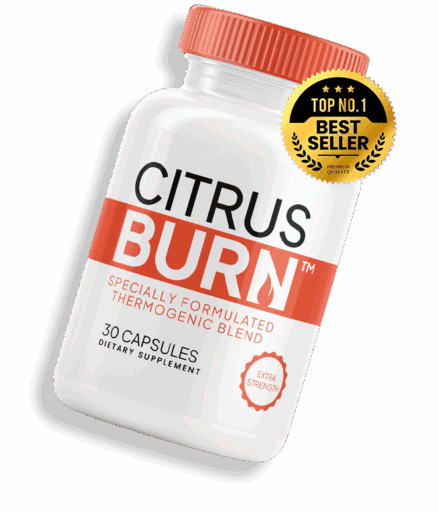
CitrusBurn – Visit the Official Website and Check Current Pricing
- 1. The Citrus-Fat Connection: What the Science Actually Says
- 2. Key Citrus Compounds That Researchers Are Focused On
- 3. CitrusBurn: How the Formula Stacks Up
- 4. Eight Weeks of Testing: My Honest Experience
- 5. Pros, Cons, and Real Caveats
- 6. Who Should Consider CitrusBurn — and Who Shouldn’t
- 7. Final Verdict: Is CitrusBurn Worth Your Money?
Let me be upfront about something right away. When most people ask whether citrus helps burn belly fat, they’re really asking whether a citrus-based supplement like CitrusBurn is worth taking.
That’s a fair question — because the marketing around anything “citrus-powered” tends to run way ahead of what the actual research supports.
I’ve spent eight years testing supplements — tracking results with body composition measurements, logging everything from dosing schedules to sleep quality, and cross-referencing what I experience with what peer-reviewed literature actually says.
What I’ve learned is that citrus compounds occupy a genuinely interesting space in the fat loss conversation. Not a miracle space. Not a “lose 10 pounds in 10 days” space.
But a real, biologically plausible, evidence-supported space — if you understand which compounds matter and what realistic outcomes look like.
So let’s start with the science, and then I’ll walk you through my actual experience with CitrusBurn.
The Citrus-Fat Connection: What the Science Actually Says
Citrus fruits have been studied for metabolic effects for decades, and the research is more nuanced than supplement ads let on. The honest truth is this: eating oranges won’t melt your belly fat.
However — and this is where it gets genuinely interesting — certain concentrated compounds derived from citrus peels and pulp do appear to interact meaningfully with the body’s fat metabolism pathways.
The distinction between “eating citrus” and “supplementing with concentrated citrus bioactives” matters enormously here.
The compounds that researchers keep coming back to are p-synephrine (from bitter orange peel), naringenin (most concentrated in grapefruit), and hesperidin (dominant in sweet oranges).
Each of these works through different mechanisms. Together, they create what researchers sometimes call a “synergistic thermogenic and lipolytic profile” — which is a fancy way of saying they may help your body produce more heat and release stored fat more readily.
That said, the magnitude of these effects in human clinical studies is consistently modest. Anyone claiming citrus supplementation alone produces dramatic fat loss is misrepresenting the literature.
In addition to the fat-burning angle, several large-scale nutrition reviews have pointed to citrus flavonoids’ role in reducing low-grade inflammation — which is increasingly recognized as a significant driver of abdominal fat accumulation, particularly in adults over 40.
So while citrus compounds won’t replace a calorie deficit or a consistent exercise routine, they may give a real, measurable nudge to the body’s fat oxidation capacity. That’s worth understanding in detail.
Key Citrus Compounds That Researchers Are Focused On
p-Synephrine: The Thermogenic Alkaloid
This is the compound that gets the most attention in fat burner formulas, and for understandable reasons. p-Synephrine is a naturally occurring alkaloid concentrated in Citrus aurantium — bitter orange — and it works by stimulating beta-3 adrenergic receptors in adipose tissue.
In plain terms: it signals fat cells to release stored fatty acids into circulation, where they can be burned for energy. Unlike its banned cousin ephedrine, p-synephrine doesn’t cross the blood-brain barrier as readily, which is why it doesn’t produce the same level of cardiovascular stimulation or jitteriness.
Now, I want to be careful here because the research is genuinely mixed. A 2022 systematic review and meta-analysis published in the journal Nutrients analyzed existing human clinical data.
While p-synephrine does show effects on energy expenditure and substrate oxidation, the direct evidence for statistically significant weight loss in clinical trials is weak.
Interestingly, that same review found that prolonged use was associated with modest but statistically significant increases in both systolic and diastolic blood pressure.
Not dramatic increases, but enough that anyone with hypertension should absolutely talk to their doctor before using synephrine-containing products.
Where the evidence is stronger is in combination use — specifically, p-synephrine paired with caffeine. A 2018 study published in the Journal of the International Society of Sports Nutrition documented acute cardiovascular and metabolic effects of this combination.
The synergy improved fat oxidation more than either compound alone at the doses studied. This explains why you’ll see citrus extract and caffeine co-formulated in most legitimate thermogenic supplements.
For context: a 2024 study from Southwest University examined p-synephrine’s effects on energy homeostasis using a high-fat diet animal model.
Published in the journal Nutrients, it found significant improvements in amino acid metabolism and energy balance — providing mechanistic support for the thermogenic claims, even if animal studies don’t translate perfectly to human outcomes.
Bottom line on p-synephrine: real mechanism, modest effects, and some blood pressure considerations that can’t be ignored.
Naringenin and Hesperidin: The Metabolic Modulators
These two flavonoids are less talked about in supplement marketing, which is ironic — because in some ways the research on them is more compelling than the p-synephrine data for metabolic health.
Naringenin is the flavanone responsible for grapefruit’s characteristic bitter flavor. In animal models using high-fat diet protocols, it has consistently demonstrated reductions in body weight, abdominal circumference, visceral fat, and serum lipid levels.
A 2025 study examining green citrus peel extract found that naringenin and hesperidin worked synergistically to inhibit adipogenesis — the formation of new fat cells — by regulating the PI3K-Akt signaling pathway.
The mechanism appears to involve AMPK activation. AMPK (adenosine monophosphate-activated protein kinase) is often described as the body’s “master metabolic switch.”
When it’s activated, it shifts cellular metabolism toward fat burning and away from fat storage. Naringenin’s ability to influence this pathway is why it’s attracted serious research interest, including studies on non-alcoholic fatty liver disease.
Hesperidin, for its part, has shown notable effects in a randomized controlled trial published in Food Function. Eight weeks of supplementation improved muscle mass and reduced fat in competitive cyclists.
That’s a population where results are harder to achieve and easier to measure accurately, which makes the findings more credible.
Furthermore, both compounds appear to have meaningful effects on blood lipid profiles — reducing LDL cholesterol and triglycerides while supporting HDL levels. For many people trying to reduce belly fat, improving lipid metabolism is part of the same equation.
The honest caveat: most of the impressive naringenin and hesperidin data comes from animal studies or highly controlled human trials with specific populations. Real-world outcomes with supplement doses are likely to be more modest.
CitrusBurn: How the Formula Stacks Up
Now that we’ve established what citrus compounds can and can’t do, let’s look specifically at CitrusBurn and whether its formulation reflects the science.
CitrusBurn is built around a core of Citrus aurantium (bitter orange) peel extract as its primary active ingredient, which makes sense given p-synephrine’s thermogenic profile.
According to product information, the formula also includes citrus bioflavonoids (which would include naringenin and hesperidin), green tea extract, red apple vinegar, ginger, capsaicin, and a modest amount of caffeine.
What I appreciate about this formula is that it doesn’t lean entirely on one compound. Instead, it stacks complementary mechanisms: the thermogenic effect from synephrine, the EGCG-driven fat oxidation from green tea, and the AMPK activation potential from the flavonoids.
The digestive and appetite-modulating effects from ginger and apple cider vinegar round out a formula that targets multiple pathways at once.
The 2026 updated formula is manufactured in an FDA-registered, GMP-certified facility in the United States, which at minimum confirms some quality controls around purity and consistency. That matters more than people often realize — contamination and underdosing are real issues in the supplement industry.
That said, I have to be transparent about a significant limitation: the exact dosages per ingredient aren’t clearly disclosed in the publicly available product information I’ve reviewed.
This is unfortunately common practice in the supplement industry, even with legitimate products. The research on p-synephrine suggests 20–50mg is the effective range for thermogenic effects; whether CitrusBurn hits that mark is something you’d need to verify directly from the full label.
On the pricing side, it’s positioned as a premium product. As a result, if you’re on a tight budget, you’ll need to weigh whether the full ingredient stack justifies the investment compared to standalone green tea extract or single-ingredient alternatives.
Eight Weeks of Testing: My Honest Experience
I ran a structured eight-week trial of CitrusBurn, starting in a period when my weight had plateaued despite consistent training — three strength sessions and two cardio sessions per week — and a controlled diet sitting around 200–300 calories below my maintenance level.
I started with one capsule in the morning for the first week as a tolerance assessment, then moved to the recommended dosing. I took it consistently with breakfast, never on an empty stomach, and avoided stacking it with additional caffeine sources after noon to prevent sleep disruption.
Week one and two were largely unremarkable from a fat loss perspective, which is exactly what I’d expect — and honestly a good sign. Rapid early changes usually indicate water weight fluctuations rather than real metabolic shifts.
What I did notice was a subtle but consistent increase in what I’d call “workout readiness” — more alert during morning training without the hard edge of a high-stim pre-workout.
By weeks three and four, I noticed my appetite felt more regulated. Not suppressed in a way that felt forced, but genuinely steadier — fewer mid-afternoon energy crashes that would normally push me toward snacking.
Whether that came from the ginger, the apple cider vinegar component, or simply the combination settling into my routine, I can’t say for certain.
Over the full eight weeks, I lost approximately four pounds of scale weight, and my waist circumference dropped about an inch at the navel level. Given that I was already training consistently and eating in a modest deficit, attributing all of that to CitrusBurn would be intellectually dishonest.
What I can say more confidently is that the supplement appeared to work additively with my existing habits. The rate of change was slightly faster than what I’d experienced in comparable prior periods without supplementation. That’s meaningful, even if it’s not headline-worthy.
No significant side effects. My resting heart rate stayed stable throughout — I checked it every morning with a wearable. I did notice a slight warming sensation in my core in the first 30–45 minutes after each dose, which aligns with what you’d expect from a functioning thermogenic blend.
One thing I’ll flag as a genuine negative: the capsule count. Depending on the recommended daily serving, some people may find the routine inconvenient.
Also, if you’re sensitive to even mild stimulants, the caffeine content — even at a modest dose — could affect sleep quality if taken too late in the day. I kept dosing before 10 a.m. and had no issues, but this is worth monitoring closely.
Pros, Cons, and Real Caveats
What CitrusBurn does well:
The formula is built around compounds with real, peer-reviewed mechanistic support. It avoids the “kitchen sink” approach of throwing in 20 ingredients at trace doses — instead focusing on a smaller stack of complementary actives.
The manufacturing transparency (FDA-registered, GMP-certified, U.S.-based) is a genuine positive. The mild caffeine dose makes it more versatile than high-stim alternatives, and the 180-day money-back guarantee reduces the financial risk for first-time users.
Where it falls short or requires honest caution:
The undisclosed proprietary dosages are a real limitation. Without knowing exactly how much p-synephrine you’re getting per serving, it’s impossible to confirm you’re in the clinically relevant range.
Additionally, the clinical evidence base for p-synephrine — CitrusBurn’s primary active compound — shows modest effects that likely won’t translate to dramatic fat loss without dietary and exercise support. Anyone expecting CitrusBurn to work as a standalone solution without lifestyle adjustments will likely be disappointed.
Furthermore, the blood pressure consideration I mentioned earlier is real. If you have cardiovascular conditions, hypertension, or are sensitive to stimulants, this isn’t a product to take casually without medical consultation.
Important notice: This content is for informational purposes and is based on personal experience and scientific research. It is not a substitute for medical advice. Results vary from person to person. If you have pre-existing health conditions or are taking medication, consult your doctor before starting any supplementation.
CitrusBurn contains p-synephrine, a mild stimulant alkaloid derived from bitter orange peel. Even at low doses, synephrine-containing supplements have been associated with modest increases in blood pressure in clinical studies. Do not combine with other stimulants, MAO inhibitors, or blood pressure medications without explicit medical guidance.
Who Should Consider CitrusBurn — and Who Shouldn’t
CitrusBurn is a reasonable option for healthy adults who are already doing the foundational things right — eating in a modest calorie deficit, training consistently — and want to add a compound that may provide a measurable metabolic nudge. It’s particularly worth considering for people who are sensitive to high-caffeine stimulants but still want thermogenic support, since the synephrine-based mechanism delivers a different (and generally milder) kind of stimulation.
In contrast, CitrusBurn is not appropriate as a starting point. If someone hasn’t addressed sleep, diet, or physical activity, spending money on any thermogenic supplement — citrus-based or otherwise — is likely wasted. Those variables move the needle far more than any supplement on the market.
Beyond that, anyone with a history of cardiovascular disease, high blood pressure, thyroid conditions, or anxiety disorders should consult a healthcare provider before using this or any synephrine-containing product. Pregnant and breastfeeding women should avoid it entirely. The same applies to anyone currently using MAO inhibitor medications or other stimulants — the interaction risks are real.
For the right person — a generally healthy adult using it as an adjunct to an already solid routine — CitrusBurn represents a thoughtfully formulated product in a category where thoughtful formulation is genuinely uncommon.
Final Verdict: Is CitrusBurn Worth Your Money?
After eight years of testing supplements and eight weeks specifically with CitrusBurn, my honest assessment is that it’s a legitimately formulated product in a space full of gimmicks. The core science behind citrus-derived thermogenics is real, even if the effects are modest.
Does citrus help burn belly fat? Technically — and specifically in the form of concentrated bioactives like p-synephrine, naringenin, and hesperidin — yes, there are documented mechanisms through which these compounds support fat oxidation, thermogenesis, and metabolic function. The effect size is modest, not miraculous, but real.
Does CitrusBurn deliver on that promise? Based on my experience and the available evidence, it does so better than most alternatives in its category. The formula reflects the research, the manufacturing meets a credible quality standard, and my personal results — while not dramatic — were consistent with what I’d expect from a functioning thermogenic supplement used alongside real lifestyle habits.
The proprietary dosing opacity is a frustration, and the blood pressure considerations shouldn’t be minimized. But as a supplemental tool — emphasis on supplemental — for people who are already doing the work? CitrusBurn earns a measured, evidence-informed recommendation.
If you’re curious to try it, the official website currently offers a multi-bottle discount and that 180-day guarantee, which gives you enough time to actually run a meaningful trial. Just go in with calibrated expectations, keep your doctor in the loop, and treat it as one piece of a larger strategy — not the strategy itself.
CitrusBurn – Visit the Official Website and Check Current Pricing