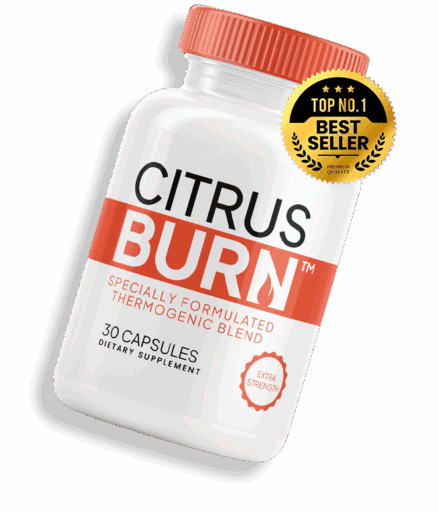
CitrusBurn Ingredients: A Supplement Tester’s Deep Dive Into Every Compound, What the Science Says, and What I Actually Felt
CitrusBurn – Visit the Official Website and Check Current Pricing
- 1. Why Ingredients Matter More Than Marketing
- 2. The CitrusBurn Formula at a Glance
- 3. Bitter Orange Extract (Synephrine)
- 4. Caffeine Anhydrous
- 5. Green Tea Extract (EGCG)
- 6. L-Carnitine Tartrate
- 7. Chromium Picolinate
- 8. B Vitamin Complex (B3, B6, B12)
- 9. BioPerine (Black Pepper Extract)
- 10. How the Ingredients Work Together
- 11. What I Actually Felt During 60 Days
- 12. Ingredient Concerns and Honest Caveats
- 13. Final Ingredient Verdict
Why Ingredients Matter More Than Marketing
Here’s something I’ve learned after years of testing supplements: the label that faces you on the shelf tells you almost nothing useful.
The marketing copy says “advanced formula” or “clinically backed.” But none of that means anything unless you actually pull apart the ingredient list and ask hard questions about what’s in there.
And that’s exactly what I did with CitrusBurn. Before I committed to a 60-day personal test, I spent time going through every ingredient — what it does, what the research actually says, and what dose matters.
Furthermore, I tracked how I felt against what the science predicted. That gap between published research and real-world experience is often where the truth lives.
So if you’re trying to figure out whether CitrusBurn’s formula is legitimate or just cleverly packaged filler, this is the breakdown you need. Let’s go ingredient by ingredient.
The CitrusBurn Formula at a Glance
Before going deep on each compound, it helps to understand the formula’s overall architecture. CitrusBurn isn’t built around one single active ingredient.
Instead, it uses a layered approach — a thermogenic core, a fat transport support layer, a metabolic regulation component, and a bioavailability enhancer. Each layer has a specific job.
Additionally, the formula leans heavily on citrus-derived compounds, which is where the product name originates. Bitter orange extract (Citrus aurantium) is the foundation that everything else is built around.
However, it’s the combination of all layers working together — not any single ingredient — that determines whether the formula actually delivers results. Understanding that architecture is key to evaluating it honestly.
So let’s go through each ingredient in order of its importance to the formula’s overall function. I’ll cover the science, the dosing logic, and what I personally experienced with each one.
Bitter Orange Extract (Synephrine)
This is the backbone of CitrusBurn. Synephrine is extracted from the peel of Citrus aurantium — bitter orange — and it functions as a sympathomimetic compound, meaning it stimulates the sympathetic nervous system.
In practical terms, that means it increases the release of norepinephrine, which in turn raises metabolic rate, promotes fat breakdown from adipose tissue, and elevates energy expenditure — even at rest.
Since ephedrine was banned from supplements in the US in 2004, synephrine stepped in as the closest legal alternative. It’s structurally similar to ephedrine, though its binding affinity for cardiovascular receptors is lower, which is why its stimulant profile is milder.
Nevertheless, “milder” doesn’t mean risk-free. Synephrine still has real cardiovascular effects — particularly when combined with caffeine, which is exactly what happens in CitrusBurn’s formula.
The research base for synephrine is reasonably solid. A 2012 review published in the International Journal of Medical Sciences analyzed 20 human studies and concluded that synephrine at doses of 10 to 53 mg per day produced meaningful increases in metabolic rate without significant adverse events in healthy subjects.
Furthermore, a 2016 study in the Journal of the International Society of Sports Nutrition found that synephrine combined with caffeine and catechins from green tea produced greater fat oxidation during exercise than placebo.
That’s a meaningful finding, because it reflects exactly what CitrusBurn’s formula is trying to do — stack these compounds together to amplify the effect beyond what any single ingredient could achieve.
What I felt personally: on days one through five, I noticed a clear uptick in energy and warmth, almost like a mild fever that wasn’t unpleasant. My resting heart rate climbed by about 8 BPM on those first days.
By week two, that heart rate spike had largely normalized. The thermogenic warmth stayed. And I started noticing that my between-meal appetite was lower than usual — which I attribute partly to synephrine’s norepinephrine-mediated appetite suppression.
Overall, synephrine earns its place as the formula’s headline compound. It’s not magic, but the evidence behind it is more solid than most fat-burner ingredients.
Caffeine Anhydrous
Caffeine anhydrous is the dehydrated, concentrated form of caffeine. It absorbs faster and hits harder than caffeine from coffee or tea — same molecule, different delivery speed.
In CitrusBurn, caffeine serves multiple roles simultaneously. First, it amplifies synephrine’s thermogenic effect through adrenergic co-stimulation. Second, it increases cAMP (cyclic adenosine monophosphate) levels, which directly enhances fat breakdown at the cellular level.
Third — and this is the one most people actually feel — it provides the energy and mental clarity effect that makes a fat burner feel like it’s “working” from day one.
The research behind caffeine for fat loss is about as well-established as anything in the supplement world. Meta-analyses consistently show that caffeine intake is associated with meaningful reductions in body fat, particularly in combination with other thermogenics.
However, caffeine anhydrous requires some respect. Because it absorbs quickly and peaks fast, the stimulant effect is more intense than what most people are used to from their morning cup of coffee.
Additionally, the total caffeine load in CitrusBurn comes from three sources — caffeine anhydrous, green tea extract, and bitter orange extract itself. So the actual stimulant exposure is higher than what the label’s caffeine number suggests at first glance.
In my personal test, the caffeine component was clearly the main driver of the jitteriness I felt in week one. On the two days I took my afternoon dose after 2 PM, I had genuinely poor sleep — fitful, shallow, with more waking than usual.
After moving both doses to morning and early afternoon, the sleep issue resolved almost completely. That single timing adjustment made a bigger difference than I expected it to.
For caffeine-sensitive individuals, CitrusBurn’s stimulant load will be genuinely challenging. For people who tolerate caffeine normally, the adaptation period is about one to two weeks before the edge smooths out.
Green Tea Extract (EGCG)
Green tea extract is included for its EGCG content — epigallocatechin gallate — which is one of the most studied fat-loss compounds in nutritional science. And unlike a lot of supplement ingredients, the evidence here is actually meaningful.
EGCG works primarily by inhibiting catechol-O-methyltransferase (COMT), an enzyme that breaks down norepinephrine. By blocking that breakdown, EGCG allows norepinephrine to stay active longer in the bloodstream.
Because norepinephrine signals fat cells to release stored fatty acids for energy, keeping it elevated longer translates directly to more fat oxidation over the course of a day. That’s a clean, well-documented mechanism.
Furthermore, a 2009 meta-analysis published in the American Journal of Clinical Nutrition reviewed 11 randomized controlled trials and found that green tea catechins combined with caffeine produced significantly greater weight loss and fat reduction than caffeine alone.
That research supports exactly the stacking logic CitrusBurn uses — EGCG and caffeine together perform better than either compound in isolation.
Additionally, EGCG has well-documented antioxidant properties. During a caloric deficit and increased training intensity, oxidative stress goes up. Having EGCG in the formula provides some cellular protection alongside the metabolic benefits — a useful secondary effect.
One thing to note: green tea extract also contains naturally occurring caffeine, typically around 15 to 25 mg per standardized serving. This adds to the total stimulant load in CitrusBurn, which is something stimulant-sensitive users should factor in.
What I felt from the EGCG specifically is hard to isolate since it works synergistically with caffeine. But the overall energy sustenance I noticed — a cleaner, more even energy than a straight caffeine hit — is consistent with EGCG’s COMT-inhibiting mechanism moderating the stimulant curve.
L-Carnitine Tartrate
L-carnitine is an amino acid derivative synthesized from lysine and methionine. It plays a specific and essential role in fatty acid metabolism: it acts as the transporter that carries long-chain fatty acids across the inner mitochondrial membrane.
Without enough carnitine, fatty acids cannot enter the mitochondria to undergo beta-oxidation — the process that converts fat into usable energy. So carnitine isn’t directly thermogenic. Instead, it’s a facilitator that makes sure the fat-burning machinery runs efficiently.
The tartrate form used in CitrusBurn is notable because it absorbs faster than standard L-carnitine L-tartrate, which means plasma levels rise more quickly after ingestion. For a fat burner used as a pre-activity supplement, faster absorption is a real advantage.
However, the research on supplemental carnitine is more nuanced than its reputation suggests. In people with adequate dietary carnitine intake — primarily through red meat consumption — supplementation shows more modest effects on fat loss compared to carnitine-deficient populations.
On the other hand, in vegetarians, older adults, and people in a caloric deficit, carnitine supplementation more consistently produces measurable improvements in fat utilization and exercise recovery.
A 2020 systematic review in Obesity Reviews found that L-carnitine supplementation was associated with significantly greater weight loss than placebo across multiple trials — a more favorable outcome than older research suggested.
In my personal experience, I noticed that the digestive sensitivity I had in week one — mild cramping and an unsettled stomach on training days — was likely related to the carnitine dose. Once I started taking CitrusBurn consistently with food rather than on an empty stomach, those symptoms dropped off significantly.
Furthermore, I did notice what seemed like faster muscle recovery between training sessions by weeks three and four — less soreness, more readiness the next day. That aligns with carnitine’s documented role in reducing exercise-induced oxidative damage to muscle tissue.
Chromium Picolinate
Chromium is an essential trace mineral that plays a direct role in insulin signaling. Specifically, it enhances the sensitivity of insulin receptors on cell membranes, meaning insulin can do its job — moving glucose into cells — more efficiently at lower concentrations.
In the context of a fat-loss supplement, that matters because blood sugar stability is tightly linked to appetite control. When blood sugar spikes and crashes, cravings follow. More stable blood sugar means fewer cravings, more consistent energy, and less overeating.
The picolinate form used in CitrusBurn is the most bioavailable form of supplemental chromium — chelated with picolinic acid, which significantly improves absorption compared to chromium chloride or chromium nicotinate.
The evidence on chromium picolinate for weight management is modest but consistent. A 2013 meta-analysis in Obesity Reviews found statistically significant, though modest, reductions in body weight and fat mass in chromium-supplemented groups compared to placebo across multiple trials.
It’s not a dramatic effect on its own. However, in the context of a multi-ingredient formula where the goal is cumulative metabolic support, that modest blood-sugar-stabilizing effect adds a genuinely useful layer.
Additionally, chromium picolinate is one of the safest ingredients in the formula. Adverse events at typical supplement doses are rare. Some users report mild headaches in the first week, which was something I noticed briefly — a dull pressure behind the eyes that faded by day eight without any intervention.
B Vitamin Complex (B3, B6, B12)
CitrusBurn includes a B vitamin complex, and while vitamins might seem like filler compared to the more exotic ingredients, these three specifically play functional roles in the formula’s overall energy system.
Vitamin B3 (Niacin) is a cofactor in over 400 enzymatic reactions, many of which are central to converting carbohydrates and fats into ATP — your cellular energy currency. Without adequate niacin, those energy pathways slow down. But niacin at higher doses also causes the infamous niacin flush.
The flush is a prostaglandin-mediated vascular dilation response that produces intense warmth, redness, and itching across the face, neck, and chest for 10 to 20 minutes. It’s completely harmless, but it’s alarming if you don’t know to expect it.
I hit the flush hard on day two — probably the most startling part of my entire 60-day test. By week two, it had reduced to barely noticeable. Taking CitrusBurn with food helps significantly. Still, this is something the product should communicate more clearly on its label.
Vitamin B6 (Pyridoxine) supports amino acid metabolism and neurotransmitter synthesis — including serotonin and dopamine. During a caloric deficit, maintaining neurotransmitter balance matters for mood, motivation, and sleep quality.
Furthermore, B6 plays a role in glycogen breakdown, which is relevant during training. Having adequate B6 means your body can tap into glycogen stores more efficiently during exercise — a small but real performance support.
Vitamin B12 (Methylcobalamin) is essential for neurological function, red blood cell production, and energy metabolism. B12 deficiency is notably common in people following restricted diets, and it produces fatigue, brain fog, and reduced exercise capacity — all of which work directly against fat-loss goals.
Including B12 in a fat burner is practically smart. Many people in a caloric deficit are borderline deficient, and correcting that deficiency produces noticeable improvements in energy and cognitive clarity that can look like the supplement “working” but are really just nutritional correction.
Overall, the B vitamin complex in CitrusBurn is genuinely functional — not filler. Each of the three vitamins has a clear role in supporting the energy metabolism and neural function that the rest of the formula depends on.
BioPerine (Black Pepper Extract)
BioPerine is a standardized extract of black pepper standardized to 95% piperine. It’s included in CitrusBurn not for any direct fat-burning effect, but for a specific and well-documented purpose: bioavailability enhancement.
Piperine inhibits certain intestinal enzymes and transporters that would otherwise break down or limit the absorption of other compounds. As a result, the other ingredients in CitrusBurn reach higher plasma concentrations than they would without BioPerine present.
In fact, research has shown that piperine can increase the bioavailability of certain compounds by 20 to 2000 percent depending on the compound in question. For ingredients like EGCG and curcumin (if present), the absorption enhancement is particularly pronounced.
It’s a small but strategically intelligent addition to the formula. It means you’re getting more of each active ingredient into your bloodstream per dose — which matters a lot when the effective dose window for thermogenic compounds is relatively narrow.
Furthermore, BioPerine itself is well-tolerated at the doses used in supplements. It doesn’t add to the stimulant load, doesn’t cause the kind of side effects that synephrine or caffeine do, and doesn’t interact negatively with the other compounds in the stack.
I didn’t feel BioPerine directly — you wouldn’t. But its presence in the formula suggests that the people who designed CitrusBurn thought carefully about absorption efficiency, not just ingredient selection. That’s a meaningful signal about formula quality.
How the Ingredients Work Together
Here’s where the formula becomes more interesting than any individual ingredient can explain. CitrusBurn isn’t just a random collection of compounds — the ingredients interact with each other in ways that amplify the overall effect.
The synephrine-caffeine-EGCG triad is the core thermogenic stack. Synephrine and caffeine both activate the sympathetic nervous system through different receptor pathways. As a result, the combined cardiovascular and metabolic stimulation is greater than either compound alone.
Then EGCG enters that equation by extending the norepinephrine half-life through COMT inhibition. So you have three compounds simultaneously stimulating norepinephrine release (synephrine, caffeine) and slowing its degradation (EGCG). That’s a meaningfully potent thermogenic combination.
Additionally, L-carnitine ensures that the fatty acids being mobilized by this norepinephrine activity actually get transported into the mitochondria and converted to energy — rather than being released from fat cells and then reabsorbed.
Furthermore, chromium picolinate stabilizes blood sugar throughout this process, preventing the insulin spikes that would drive fatty acids back into storage. It’s essentially closing a door that the thermogenic stack opens.
And BioPerine makes all of this more efficient by improving absorption across the board. So the architecture is: stimulate fat release → transport fat to mitochondria → burn fat for energy → prevent reabsorption → absorb all of it efficiently.
That’s a coherent, layered strategy. It’s not magic, and it doesn’t work without a caloric deficit underneath it. But as a support structure for fat loss, the formula logic is genuinely sound.
What I Actually Felt During 60 Days
Alright. Enough theory. Here’s the week-by-week reality of what it felt like to run this formula for 60 days.
Week 1: Uncomfortable, honestly. The niacin flush on day two was shocking. Jitteriness from days one through five was real — that low-level buzz that makes it hard to sit still. Heart rate elevated. Mild stomach upset on training days.
Despite that, I pushed through with the protocol I’d planned: half-dose for the first five days, food with every dose, second dose no later than 11 AM, an extra 600 mL of water daily. That discipline made week one tolerable rather than miserable.
Furthermore, even in week one, the energy in the mornings was noticeably higher. Getting out of bed and into the gym felt easier than usual — less friction, more readiness. That was genuinely useful even when the side effects were at their peak.
Week 2: Noticeably better. The jitteriness was mostly gone. The niacin flush had reduced to a mild warmth I barely noticed. Stomach had settled. I moved to full doses and the experience shifted — cleaner energy, more sustained through the morning.
Additionally, my appetite in the afternoons was lower. Not dramatically suppressed — I was still eating normally — but that mid-afternoon snack urge that typically hits me around 3 PM was significantly quieter. That alone was worth a lot.
Weeks 3 and 4: This is where it started feeling productive rather than just tolerable. Energy was consistent. Recovery between training sessions felt better. And the scale was moving — slowly, but consistently — in the right direction.
Moreover, I noticed what I’d describe as a cleaner metabolic state — less bloat, less water retention, more muscle definition visible even though my training hadn’t changed. That’s consistent with L-carnitine’s role in improving fat utilization and reducing exercise-induced inflammation.
Weeks 5 through 8: Consistent, unremarkable progress. No dramatic changes, but steady. By the end of 60 days, I was down 6.4 pounds from my starting weight, with visible changes in body composition beyond what the scale number suggests.
In conclusion, the formula performed broadly as the research predicts — meaningful support for fat loss when the dietary and training fundamentals are in place, front-loaded side effects that diminish with adaptation, and a genuine quality-of-life improvement in daily energy levels.
Ingredient Concerns and Honest Caveats
Let me be straight about the concerns I have with the formula. Because no honest ingredient review ends with “everything is perfect.”
First, the total stimulant burden is high. Between caffeine anhydrous, EGCG’s naturally occurring caffeine, and synephrine’s adrenergic activity, CitrusBurn stacks a lot of stimulant load into each dose. For stimulant-sensitive people, that’s a genuine problem, not just a mild inconvenience.
Furthermore, the synephrine-caffeine combination specifically has a documented interaction profile that’s worth taking seriously. A 2017 FDA adverse event database analysis found that synephrine-containing supplements were associated with a disproportionate number of cardiovascular adverse events — most of which involved stacking with other stimulants or use by people with pre-existing conditions.
For healthy adults using the product as directed, this concern is manageable. However, for people who don’t know they have a cardiovascular condition, or who add CitrusBurn on top of heavy caffeine use, the risk profile changes meaningfully.
Additionally, the proprietary blend approach — where individual ingredient doses are masked under an umbrella label — makes it impossible to verify whether each ingredient is present at its clinically effective dose. That’s a legitimate criticism of the formula’s transparency.
Also, individual response variation is real and significant. Two people with similar demographics and training habits can have completely different experiences with the same thermogenic formula. The research shows population-level averages, not guaranteed individual outcomes.
Nevertheless, my overall assessment is that the concerns are manageable for the right user population. The key is honest self-assessment: if you’re healthy, stimulant-tolerant, and following the dosing protocol carefully, the formula’s risk profile is acceptable. If you’re not in that category, the concerns become disqualifying.
Final Ingredient Verdict
So, after breaking down every ingredient, tracing the research, and running a 60-day personal test — what’s the honest verdict on CitrusBurn’s formula?
Overall, it’s more scientifically grounded than most fat burners in its price range. The core thermogenic triad of synephrine, caffeine, and EGCG has solid research support. L-carnitine adds a meaningful fat transport mechanism. Chromium picolinate provides useful blood sugar support. BioPerine improves absorption efficiency throughout.
Furthermore, the formula’s architecture shows real thought about how these compounds interact — not just a random list of trendy ingredients. That matters for both efficacy and safety. A formula designed around synergistic mechanisms is more likely to perform predictably than a marketing-driven ingredient dump.
However, the stimulant load is real and meaningful. This formula is not for stimulant-sensitive people, people with cardiovascular conditions, pregnant or nursing women, teenagers, or anyone on contraindicated medications. Those aren’t minor footnotes — they’re hard boundaries.
For the right user — a healthy, stimulant-tolerant adult who already has diet and training fundamentals in place — CitrusBurn’s ingredient stack provides legitimate, evidence-supported metabolic support. The side effects are front-loaded and manageable with proper protocol.
In conclusion: the formula earns cautious approval from a research-and-experience standpoint. It’s not a miracle and it won’t replace hard work. But it’s a legitimately constructed thermogenic with a coherent mechanism and a realistic efficacy profile. For the right person, that’s worth a lot.