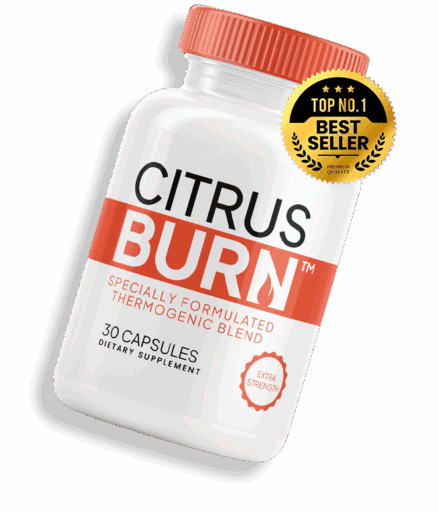
What is the CitrusBurn Supplement? A Research-Driven, Honest, and Practical Review
CitrusBurn – Visit the Official Website and Check Current Pricing
- 1. What CitrusBurn Actually Is
- 2. How I Evaluated CitrusBurn
- 3. Breaking Down the Core Ingredients
- 4. How CitrusBurn Is Supposed to Work
- 5. What Results Are Realistic?
- 6. CitrusBurn Side Effects: A Realistic Rundown
- 7. Who Should Probably Avoid CitrusBurn
- 8. Drug Interactions Worth Knowing
- 9. How to Minimize Side Effects
- 10. Real User Feedback Patterns
- 11. Pros and Cons
- 12. The Bottom Line
CitrusBurn is one of those supplements that sounds simple at first: take it daily, support your metabolism, feel more energy, and make fat loss easier.
However, once you look closer, the real question becomes more practical: does CitrusBurn offer enough potential benefit to justify the stimulant load, cost, and possible side effects?
That is the question this review is built around.
I approached CitrusBurn the way I evaluate any weight management supplement: cautiously, skeptically, and with a focus on what a real person would want to know before buying.
In other words, this is not a hype piece. It is not a miracle-weight-loss story. And it is not medical advice.
Instead, this is a clear breakdown of what CitrusBurn is, how it may work, what its ingredients are likely doing, who it may suit, and who should probably avoid it.
Additionally, because CitrusBurn sits in the health and weight-loss category, safety matters. Supplements can affect heart rate, sleep, digestion, blood pressure, and medication response.
So, throughout this review, I will keep the same standard I would use for a friend asking whether they should spend money on it.
First, we need to define what CitrusBurn actually is.
What CitrusBurn Actually Is
CitrusBurn is positioned as a thermogenic weight management supplement.
In plain English, that means it is designed to support fat loss by increasing energy expenditure, improving daily energy, and helping the body use stored fuel more efficiently.
Most products in this category rely on a familiar formula style: plant extracts, stimulant compounds, metabolism-support nutrients, and sometimes blood sugar or appetite-support ingredients.
CitrusBurn appears to follow that same general direction.
The name suggests a citrus-based angle, and the formula discussion around this supplement often centers on bitter orange extract, a source of p-synephrine.
That matters because synephrine is not just a harmless “citrus compound.” It is a stimulant-like ingredient with real physiological effects.
Additionally, CitrusBurn is commonly discussed alongside caffeine, green tea extract, L-carnitine, chromium picolinate, and B vitamins.
Each of these ingredients has a different role. Some may support energy. Others may support fat metabolism, blood sugar regulation, or nutrient conversion.
However, the same ingredients that make a formula feel effective can also create side effects.
That is especially true when synephrine and caffeine appear in the same routine.
For that reason, I would not describe CitrusBurn as a “gentle wellness supplement.” It belongs closer to the stimulant-based thermogenic category.
That does not automatically make it bad. Nevertheless, it does mean users should treat it with more respect than a basic multivitamin.
Also, it is important to be honest about expectations.
No supplement burns fat independently of diet, movement, sleep, and consistency. CitrusBurn may support the process, but it cannot replace the process.
Therefore, the best way to think about it is this: CitrusBurn may be a tool, not the engine.
The engine is still your calorie intake, training habits, daily activity, sleep quality, stress level, and metabolic health.
How I Evaluated CitrusBurn
Before going further, I want to clarify the evaluation standard used in this review.
I assessed CitrusBurn through a practical supplement-review lens: ingredient logic, safety profile, available research, expected user experience, and common feedback patterns.
That means I looked at how the formula is likely to feel in real life, not just how it sounds in marketing copy.
For example, I paid close attention to timing, tolerance, stimulant sensitivity, hydration, appetite changes, digestive comfort, and sleep disruption risk.
Additionally, I considered how a typical user might take it during a normal day: breakfast, coffee, work stress, workouts, and inconsistent sleep.
This matters because supplements are rarely used in laboratory-perfect conditions.
In real life, people combine fat burners with coffee. They forget to eat. They take doses too late. They train hard while underhydrated.
Consequently, a supplement that looks reasonable on paper can feel intense in practice.
That is the frame I used here.
Also, I did not treat every ingredient claim as equally strong. Some ingredients have better evidence than others.
For instance, caffeine has a clear effect on alertness and energy expenditure. Green tea extract has some evidence, but results are usually modest.
Meanwhile, chromium is often promoted for blood sugar support, but its weight-loss effects are not impressive for most people.
So, instead of asking, “Can this ingredient do anything?” I asked, “Is the likely effect meaningful enough for a real buyer?”
That is a stricter and more useful question.
Breaking Down the Core Ingredients
Bitter Orange Extract is the ingredient I would watch most closely.
Bitter orange contains p-synephrine, a compound often used in fat burners after ephedra was removed from the supplement market.
Synephrine is commonly described as milder than ephedrine, and that is generally fair. However, “milder” does not mean “risk-free.”
Because it can affect cardiovascular and nervous system activity, people with high blood pressure, arrhythmias, or stimulant sensitivity should be cautious.
Moreover, the concern becomes more relevant when synephrine is paired with caffeine.
Caffeine is probably the most familiar ingredient in this category.
It can increase alertness, reduce perceived fatigue, and slightly raise energy expenditure. That is why it appears in so many thermogenic supplements.
However, caffeine also increases the odds of jitteriness, anxiety, rapid heartbeat, reflux, sleep disruption, and headaches in sensitive users.
Furthermore, total daily caffeine intake matters more than people realize.
If someone takes CitrusBurn, drinks two coffees, uses a pre-workout, and has an energy drink, the combined stimulant load may become excessive.
Green Tea Extract is usually added for catechins, especially EGCG.
EGCG is often discussed for antioxidant support and mild effects on fat oxidation. It may help a little, especially when combined with caffeine.
That said, green tea extract is not automatically harmless just because green tea as a drink is widely consumed.
Concentrated green tea extracts have been linked to rare liver injury cases, especially at high doses or when taken fasting.
Therefore, I would be more comfortable taking green tea extract with food rather than on an empty stomach.
L-Carnitine plays a different role.
It helps transport fatty acids into mitochondria, where they can be used for energy. That sounds impressive, but the real-world fat-loss effect is usually modest.
Still, L-carnitine may be useful for some users, particularly those combining it with exercise and a calorie-controlled diet.
On the downside, it can cause digestive discomfort, nausea, heartburn, or loose stools in some people.
Chromium Picolinate is generally included for blood sugar and craving support.
Chromium is involved in normal macronutrient metabolism, and some people report improved appetite control when using it.
However, the evidence for meaningful weight loss from chromium alone is weak.
So, I would not buy CitrusBurn because of chromium. I would treat it as a supportive ingredient, not a central driver.
B Vitamins are often used in energy formulas because they support normal energy metabolism.
That does not mean they act like caffeine. Rather, they help the body process nutrients and maintain normal metabolic function.
One B vitamin to note is niacin, or vitamin B3.
At certain doses, niacin can cause flushing: warmth, redness, tingling, or itchiness on the skin.
This reaction can feel alarming the first time it happens. Fortunately, in many cases it is temporary and harmless, though still uncomfortable.
How CitrusBurn Is Supposed to Work
CitrusBurn appears to work through several overlapping mechanisms.
First, it may increase thermogenesis. That means the body may burn slightly more energy as heat.
This is where caffeine, green tea extract, and synephrine are most relevant.
Second, it may improve perceived energy.
That can matter during a diet because calorie deficits often make people tired, less active, and less motivated to train.
If a supplement helps someone stay active, the indirect benefit may be more important than the supplement’s direct calorie-burning effect.
Third, it may support fat oxidation.
In theory, ingredients like green tea extract, caffeine, and L-carnitine may help the body use fatty acids more effectively.
However, this does not mean CitrusBurn “melts fat.” That phrase is marketing language, not physiology.
Fat loss still requires a sustained energy deficit.
Fourth, it may help with appetite or cravings for some users.
Caffeine can reduce appetite temporarily. Chromium may help certain people with blood sugar-related cravings.
Nevertheless, appetite response varies dramatically from person to person.
Some users feel less hungry. Others feel more anxious and snack more. Both outcomes are plausible.
Therefore, the real value of CitrusBurn depends heavily on the person using it.
A healthy, stimulant-tolerant adult with good sleep and a structured diet may notice useful support.
By contrast, someone anxious, sleep-deprived, over-caffeinated, or inconsistent with meals may feel worse, not better.
What Results Are Realistic?
Here is the honest answer: CitrusBurn may help, but it is unlikely to create dramatic results by itself.
That may sound less exciting than the average supplement ad, but it is much closer to reality.
For most people, a thermogenic supplement can make the process feel easier by increasing energy, focus, and daily movement.
Additionally, it may slightly increase calorie expenditure. Yet that effect is usually modest.
So, if someone expects CitrusBurn to cancel out overeating, late-night snacking, weekend alcohol, or no exercise, disappointment is likely.
However, if someone is already eating in a controlled way, walking more, lifting weights, and sleeping reasonably well, CitrusBurn may add a noticeable edge.
In that context, the supplement is not doing the whole job. It is simply supporting the behavior that produces the result.
For example, a user who takes CitrusBurn in the morning and feels more motivated to walk, train, and avoid snacking may see better progress.
But the progress comes from the full routine, not from the capsule alone.
That distinction matters because it protects buyers from unrealistic expectations.
Also, weight on the scale is not the only useful marker.
Waist measurement, workout performance, appetite control, energy stability, sleep quality, and mood are also worth tracking.
If CitrusBurn helps weight but ruins sleep, that is not a good trade.
Similarly, if it gives energy but increases anxiety, the cost may be too high.
In my view, a good result would be steady fat loss over eight to twelve weeks, better workout consistency, and manageable side effects.
A poor result would be racing heart, poor sleep, digestive distress, and no meaningful change in habits.
CitrusBurn Side Effects: A Realistic Rundown
Side effects are where this review becomes most important.
Many fat burner reviews mention side effects briefly, then rush back to the sales pitch. That is not helpful.
With CitrusBurn, the side effect profile depends mostly on stimulant sensitivity, dose timing, hydration, food intake, and existing health conditions.
Overall, I would group the main risks into six categories.
These include cardiovascular effects, nervous system stimulation, digestive discomfort, sleep disruption, headaches, and niacin flush.
Additionally, medication interactions deserve serious attention.
Let’s go through each category clearly.
Cardiovascular Side Effects
This is the category I would take most seriously.
Ingredients like synephrine and caffeine can affect heart rate and blood pressure, especially when combined or used by sensitive individuals.
For healthy users, the effect may be mild and temporary.
However, for people with hypertension, heart rhythm issues, chest pain history, or cardiovascular disease, the risk picture changes.
Even a small increase in heart workload may be undesirable in those groups.
Possible cardiovascular side effects include a faster heartbeat, palpitations, chest tightness, blood pressure changes, and a “pounding” feeling after dosing.
Furthermore, these effects may become stronger when CitrusBurn is taken with coffee, pre-workout, energy drinks, or other stimulants.
That is why I would not combine CitrusBurn with a high-stimulant pre-workout.
Also, I would avoid taking it before intense cardio until tolerance is clearly established.
If a user notices chest pain, faintness, irregular heartbeat, or severe shortness of breath, they should stop using it and seek medical help.
That is not being dramatic. That is basic safety.
Nervous System and Stimulant Effects
The second major category is nervous system stimulation.
This is the classic “too much fat burner” feeling: wired, restless, edgy, impatient, or unable to settle down.
Some users enjoy the energy boost. Others experience it as anxiety.
The difference often comes down to tolerance, sleep status, caffeine habits, and baseline stress.
For example, someone who already drinks several cups of coffee may tolerate CitrusBurn poorly if they do not reduce other caffeine sources.
On the other hand, someone who uses caffeine regularly but moderately may find the energy manageable.
Possible nervous system side effects include jitters, shakiness, irritability, anxiety, restlessness, sweating, and trouble concentrating.
Additionally, people prone to panic attacks should be careful.
Stimulants can mimic panic symptoms: racing heart, chest pressure, warmth, trembling, and a sense of urgency.
Consequently, even if the supplement is not causing true danger, it can feel frightening.
My practical view is simple: if a supplement makes you feel mentally worse, it is not helping your health journey.
Fat loss should not require feeling like your nervous system is under attack.
Digestive Side Effects
Digestive issues are common with thermogenic supplements, and CitrusBurn may be no exception.
Caffeine can speed gut motility. L-carnitine may cause stomach upset in some users. Green tea extract may feel harsh when taken without food.
Additionally, bitter orange extract may bother sensitive stomachs.
Possible digestive side effects include nausea, stomach cramps, acid reflux, loose stools, bloating, and urgent bowel movements.
These effects are often worse when the supplement is taken on an empty stomach.
Therefore, taking CitrusBurn with a small meal is one of the easiest ways to improve tolerance.
A simple breakfast with protein, fiber, and some fat may reduce nausea and smooth out the stimulant hit.
For example, eggs and toast, Greek yogurt with berries, or oatmeal with nut butter would be better than taking it with only black coffee.
Also, users with IBS, reflux, Crohn’s disease, ulcerative colitis, or chronic gastritis should be more cautious.
For those users, even a mild digestive irritant can create an outsized response.
Sleep Disruption
Sleep is one of the most underrated factors in supplement success.
A fat burner that improves daytime energy but damages sleep can backfire badly.
That is because poor sleep can increase hunger, reduce impulse control, impair training recovery, and worsen stress hormones.
In other words, bad sleep makes fat loss harder.
CitrusBurn may disrupt sleep if taken too late in the day, especially if it contains caffeine or stimulant-like compounds.
Some users may feel awake at bedtime even if they took the supplement hours earlier.
This is not unusual because caffeine can remain active in the body for several hours.
Additionally, stimulant-sensitive users may feel effects longer than expected.
For that reason, I would use CitrusBurn only in the morning at first.
If a second dose is suggested on the label, I would still keep it early and avoid taking it after lunch unless tolerance is excellent.
Furthermore, I would track sleep quality for the first two weeks.
If sleep worsens, the supplement may not be worth continuing, even if daytime energy improves.
Headaches and Dehydration
Headaches are another realistic issue.
They may happen because of caffeine, dehydration, blood pressure changes, skipped meals, electrolyte shifts, or overall stimulant load.
Also, when people start weight-loss supplements, they often change diet at the same time.
They may eat fewer carbs, drink more coffee, train harder, and drink less water than they need.
As a result, the supplement gets blamed for every headache, even when the full routine is responsible.
Still, CitrusBurn could contribute.
The practical fix is straightforward: increase water intake, avoid taking it while fasting, and consider electrolytes on sweaty workout days.
Additionally, do not combine it with multiple caffeine sources.
If headaches persist despite hydration, food, and lower stimulant intake, that is a signal to stop and reassess.
A supplement should not create daily discomfort.
Niacin Flush: The Skin Reaction That Can Surprise Users
If CitrusBurn includes niacin, some users may experience niacin flush.
This can feel like warmth, redness, tingling, itching, or a hot sensation across the face, neck, chest, or arms.
For many people, the reaction is temporary.
However, it can be unsettling if you have never experienced it before.
The flush happens because niacin can cause blood vessels near the skin to widen.
Consequently, skin may look red and feel warm for a short period.
Taking the supplement with food may reduce the intensity.
Also, the reaction may become less noticeable with repeated use.
That said, users should not automatically dismiss every skin reaction as niacin flush.
If symptoms include swelling, hives, breathing difficulty, severe dizziness, or throat tightness, that could indicate an allergic reaction and needs urgent care.
So, the practical rule is simple: mild warmth and redness may be niacin flush, but severe or systemic symptoms are not something to ignore.
Who Should Probably Avoid CitrusBurn
CitrusBurn is not suitable for everyone.
In fact, some people should avoid stimulant-based thermogenic supplements unless a qualified healthcare professional clears them first.
That includes people with high blood pressure, heart disease, arrhythmias, previous heart attack, stroke history, or unexplained chest pain.
Additionally, people with anxiety disorders, panic disorder, bipolar disorder, or severe insomnia should be cautious.
Stimulants can worsen symptoms in some individuals.
Pregnant and breastfeeding women should avoid CitrusBurn unless specifically advised otherwise by a healthcare professional.
There is no good reason to experiment with thermogenic stimulants during pregnancy or breastfeeding.
Teenagers should avoid it as well.
Weight-loss stimulants are not appropriate for developing bodies, especially without medical supervision.
People with liver disease should also be careful, particularly if the formula includes concentrated green tea extract.
Although serious liver reactions are rare, they are documented with green tea extract products.
Furthermore, anyone taking prescription medication should check with a clinician or pharmacist first.
This is especially important for blood pressure medications, antidepressants, stimulants, thyroid medication, diabetes medication, and anticoagulants.
Finally, people who are highly sensitive to caffeine should think carefully.
If one cup of coffee makes you shaky, CitrusBurn may be too aggressive.
Drug Interactions Worth Knowing
Drug interactions are not the most exciting part of a review, but they may be the most important.
Synephrine-containing products may be risky with MAO inhibitors because of blood pressure concerns.
Additionally, combining CitrusBurn with prescription stimulants may increase nervous system and cardiovascular strain.
This includes medications used for ADHD or narcolepsy.
People taking SSRIs or SNRIs should also ask a healthcare professional before using stimulant-based fat burners.
The interaction risk may vary, but it is worth checking rather than guessing.
Furthermore, people taking blood pressure medication should not assume a supplement is safe because it is sold online.
Supplements can still oppose the goals of medication.
Green tea extract may also matter for people on anticoagulants or with liver concerns.
The safest approach is to show the full supplement facts label to a pharmacist or physician.
Do not just say, “It is a natural fat burner.”
Natural is not a safety category. Dosage, ingredient form, health status, and medication context are what matter.
How to Minimize Side Effects If You Decide to Try It
If a healthy adult decides to try CitrusBurn, the first goal should be tolerance, not intensity.
Start low if the label allows it.
Many bad experiences happen because users jump straight to the full dose while also drinking coffee.
Instead, consider taking the smallest practical dose for the first several days.
Next, take it with food.
This may reduce nausea, jitters, stomach discomfort, and green tea extract harshness.
Then, keep it early in the day.
Morning use is the safest starting point for sleep.
Additionally, reduce other caffeine sources during the first week.
This includes coffee, energy drinks, pre-workouts, fat burners, and stimulant focus products.
Hydration also matters.
Drink extra water, especially if you train, sweat heavily, or reduce carbohydrate intake.
Electrolytes may help if headaches appear during workouts.
Furthermore, track your response.
Use simple notes: dose time, caffeine intake, meals, energy, mood, heart rate, digestion, sleep, and appetite.
This does not need to be complicated.
Even a few lines per day can reveal whether CitrusBurn is helping or hurting.
Most importantly, stop if warning signs appear.
Chest pain, faintness, severe anxiety, irregular heartbeat, persistent vomiting, allergic symptoms, or dark urine are not “normal adjustment.”
Those are reasons to stop and seek medical guidance.
Real User Feedback Patterns
User feedback on thermogenic supplements usually follows a predictable pattern.
Some people love the energy and appetite control. Others dislike the jitters, sleep disruption, or stomach discomfort.
That split is not surprising.
Stimulant tolerance varies widely.
For CitrusBurn, the most believable positive feedback would likely involve better morning energy, reduced snacking, improved workout drive, and gradual fat loss when paired with diet.
The most believable negative feedback would involve jitters, racing heart, nausea, headaches, and insomnia.
Additionally, some users may confuse temporary water-weight changes with fat loss.
This happens often with weight-loss supplements.
For example, if someone eats fewer carbs during week one, they may lose water quickly and credit the supplement entirely.
Conversely, if they retain water from stress, poor sleep, or salty foods, they may think the supplement “does not work.”
Therefore, I would judge CitrusBurn over several weeks, not several days.
Even then, the best measurement is not just scale weight.
Waist circumference, progress photos, gym performance, hunger ratings, and sleep quality give a fuller picture.
Also, be cautious with reviews that promise effortless results.
Any review claiming massive fat loss without diet or exercise should be treated skeptically.
That is not how sustainable body composition change works.
Pros and Cons
Pros: CitrusBurn uses a familiar thermogenic strategy that may support energy, focus, and fat-loss adherence.
Additionally, ingredients like caffeine and green tea extract have plausible mechanisms for modest metabolic support.
The formula may be useful for healthy adults who tolerate stimulants and already have a structured diet and exercise plan.
Furthermore, morning energy can indirectly improve fat loss if it helps a person move more and train consistently.
Cons: The stimulant profile may be too much for sensitive users.
Possible side effects include jitters, anxiety, palpitations, nausea, headaches, sleep disruption, and skin flushing.
Also, the results are likely to be modest unless paired with a calorie deficit and consistent habits.
Another drawback is that buyers may overestimate what the supplement can do.
CitrusBurn may support fat loss, but it should not be viewed as a substitute for food quality, activity, resistance training, and sleep.
Finally, anyone taking medication needs to be careful.
Supplement-medication interactions are real, and stimulant-based formulas deserve extra attention.
The Bottom Line
So, what is CitrusBurn?
CitrusBurn is best understood as a stimulant-based thermogenic supplement designed to support weight management, energy, and metabolic activity.
It may help the right person.
However, it is not a magic fat-loss shortcut, and it is not a risk-free wellness product.
The people most likely to do well with CitrusBurn are healthy adults who tolerate caffeine, take it early, use it with food, hydrate well, and pair it with a real fat-loss plan.
The people least likely to do well are those with stimulant sensitivity, anxiety, poor sleep, heart concerns, uncontrolled blood pressure, digestive disorders, or medication conflicts.
In my view, CitrusBurn is worth considering only if you treat it as support, not salvation.
Use it to make good habits easier. Do not use it to compensate for habits that are not in place.
Additionally, pay attention to your body during the first week.
If the supplement improves energy without disrupting sleep, digestion, mood, or heart comfort, it may be a useful tool.
However, if it makes you feel wired, anxious, nauseated, or sleep-deprived, the trade-off is probably not worth it.
Ultimately, the smartest approach is cautious, informed, and personal.
Read the label. Check the stimulant content. Talk to a healthcare professional if you have any medical condition or take medication.
Then, if you still decide to try CitrusBurn, start conservatively and track your response honestly.
That is the difference between using a supplement intelligently and letting marketing make the decision for you.