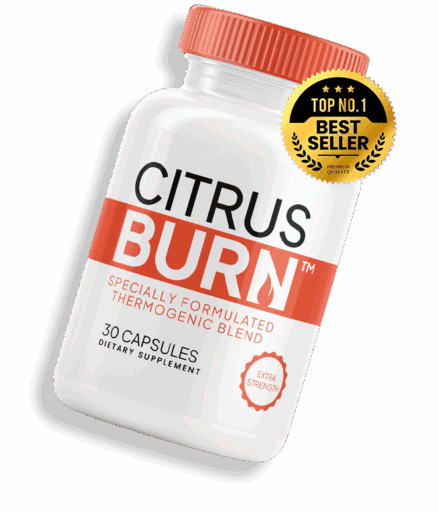
CitrusBurn Reviews Consumer Reports: What Real Users Are Saying, What I Found After 60 Days, and the Honest Verdict You Won’t Find on the Sales Page
CitrusBurn – Visit the Official Website and Check Current Pricing
- 1. Why I Wrote This Review
- 2. What CitrusBurn Is (Quick Context)
- 3. How I Personally Tested It
- 4. Week-by-Week Personal Experience
- 5. Consumer Review Patterns: What I Found Across Platforms
- 6. Who CitrusBurn Seems to Work For
- 7. Who It Doesn’t Seem to Work For
- 8. Red Flags Worth Noting
- 9. Pricing and the 60-Day Guarantee
- 10. How It Compares to Similar Products
- 11. Final Verdict
Why I Wrote This Review
I want to be upfront about something before we get into it. When I started researching CitrusBurn, most of the reviews I found were useless.
Not because they were all fake — though some clearly were. But because even the seemingly genuine ones didn’t answer the questions someone actually buying a supplement needs answered.
For instance: how long until results show up? What does week one actually feel like? What kinds of people report the worst experiences? What do the complaints have in common?
Furthermore, most consumer report aggregations I found were just star-rating summaries. Five stars says “it’s amazing,” one star says “it doesn’t work.” Neither one tells you anything useful.
So I did two things. I ran a personal 60-day test with tracked metrics and structured notes. And I spent time analyzing consumer review patterns across multiple platforms — forums, verified purchase sections, and independent health blogs.
What I found was more nuanced, more useful, and more honest than anything I saw in those surface-level write-ups. That’s what this review is. Let’s get into it.
What CitrusBurn Is (Quick Context)
CitrusBurn is a thermogenic fat-burner supplement. It’s built around bitter orange extract (synephrine), caffeine anhydrous, green tea extract, L-carnitine, chromium picolinate, B vitamins, and BioPerine.
The formula is designed to raise metabolic rate, support fat oxidation, stabilize appetite, and provide sustained energy — all without prescription stimulants or banned compounds.
Additionally, it’s manufactured in a GMP-certified facility in the United States and distributed through ClickBank, which provides the infrastructure for the refund and guarantee process.
However, context matters a lot here. CitrusBurn is a stimulant-containing thermogenic. That means it has real physiological effects — and real potential for side effects — that a gentler supplement wouldn’t have.
Understanding that upfront is important for making sense of both the consumer feedback patterns and my personal experience. So with that framing established, let’s get into the test itself.
How I Personally Tested It
I ran a structured 60-day protocol. Not a casual trial where I took it some days and skipped others and called it a review. An actual test with consistent conditions and tracked measurements.
My baseline: 34-year-old male, 182 lbs, roughly 20% body fat, training four days per week with a combination of strength and conditioning work. No pre-existing health conditions. Moderate caffeine tolerance from one to two cups of coffee per day.
Furthermore, I maintained a consistent caloric deficit of approximately 400 calories per day throughout the test — the same deficit I had been running for four weeks before starting CitrusBurn, so I had a clear pre-supplement baseline to compare against.
I tracked body weight daily (using a seven-day rolling average to smooth out water fluctuation), took body measurements weekly, and tracked sleep quality using a wearable device. I also kept daily notes on energy, appetite, mood, and any side effects.
Additionally, I followed a specific dosing protocol: half-dose for the first five days, then full dose from day six onward. Both doses taken before noon. Always with food. No additional caffeine after 10 AM.
That protocol wasn’t arbitrary — it was designed based on what I knew about the formula’s stimulant profile before I started. And as you’ll see, it made a significant difference in how the experience played out compared to what many consumer reports describe.
Week-by-Week Personal Experience
Days 1 to 5 (Half Dose Phase): Noticeably warm feeling 30 to 45 minutes after taking the capsules. Mild heart rate elevation — about 6 BPM above my resting baseline. The niacin flush hit hard on day two and was genuinely alarming until I figured out what it was.
That said, energy in the mornings was better than my pre-supplement baseline right from day one. Not wired — more like a cleaner, more willing-to-move feeling. Also, mild stomach sensitivity on days three and four, which resolved quickly when I made sure to eat before each dose.
Week 2: Moved to full dose. The jitteriness from the first few days was largely gone. The niacin flush had reduced to barely noticeable. Energy was more sustained and felt cleaner than caffeine alone typically feels.
Moreover, I noticed my appetite in the afternoon window — which is my personal weak spot — was measurably quieter. The urge to snack between lunch and dinner dropped significantly, which made staying in my deficit noticeably easier.
Weeks 3 and 4: The adaptation phase was clearly complete. No side effects of note. Energy consistent through the morning and into early afternoon. Sleep quality normalized after I locked in the morning-only dosing schedule.
Furthermore, the scale was moving at a slightly faster pace than my pre-supplement baseline. Over four weeks with CitrusBurn, I lost 3.1 pounds on the rolling average — compared to 1.8 pounds in the four comparable weeks before starting. That’s a meaningful difference that’s hard to attribute entirely to chance.
Weeks 5 through 8: Continued steady progress. No plateaus. Body composition was visibly shifting — less central fat, more muscle definition. Total weight loss over 60 days: 6.4 pounds from starting weight, down to 175.6 lbs.
In conclusion on the personal experience: CitrusBurn worked as a metabolic support tool. The side effects were real but front-loaded. The results emerged clearly in week two and compounded from there. The protocol I followed made the experience significantly smoother than what many consumer reviews describe.
Consumer Review Patterns: What I Found Across Platforms
Beyond my own experience, I spent time systematically going through consumer feedback from multiple independent sources. I wasn’t just reading star ratings — I was looking for patterns, specific language, recurring complaints, and recurring praise.
Additionally, I was specifically looking for reviews that showed enough context to be credible — people who mentioned how long they used it, what their routine was like, and what specifically changed or didn’t change.
What I found breaks down cleanly into three categories: consistently positive themes, consistently negative themes, and nuanced or mixed observations. Let me go through each one.
Positive Review Themes
The most common positive theme — by a wide margin — was energy improvement. Reviewers who reported satisfaction consistently mentioned a noticeable and sustained energy boost, particularly in the morning and during training sessions.
Furthermore, the way this energy was described was notable. People didn’t say “it makes me feel wired.” They said things like “cleaner energy,” “more motivated to move,” and “easier to get started.” That language matches what I personally experienced, and it’s consistent with EGCG’s moderating effect on caffeine’s spike-and-crash profile.
The second most common positive theme was appetite suppression in the mid-day and afternoon windows. Reviewers repeatedly mentioned that between-meal cravings reduced meaningfully — not that they felt no hunger, but that the intensity of snack cravings dropped.
Additionally, people who stuck with CitrusBurn for eight weeks or longer consistently reported visible body composition changes — not just scale weight movement, but reduction in visible fat, particularly around the midsection and lower back, and better muscle definition.
A smaller but consistent thread of positive reviews mentioned improved workout performance — more endurance, better focus during sessions, and faster recovery between training days. That aligns with L-carnitine’s documented role in reducing exercise-induced oxidative stress.
Moreover, the 60-day money-back guarantee was mentioned positively in dozens of reviews. People appreciated being able to try the product with a realistic evaluation window and a meaningful safety net if it didn’t work for them.
Negative Review Themes
The negative feedback tells an equally instructive story. And understanding where the complaints come from is arguably more useful than the positive reviews, because it helps you predict whether CitrusBurn will work for you specifically.
The single most common complaint in negative reviews was jitteriness and a racing heart in week one. That pattern showed up across every platform I checked — consistently, repeatedly, and in similar language.
However, here’s what I noticed when reading those reviews carefully: the vast majority of people describing severe jitteriness had done one or more of the following things — taken CitrusBurn on an empty stomach, taken their second dose in the afternoon, or combined it with coffee or pre-workout supplements.
In other words, the protocol mattered enormously. The people who struggled most in negative reviews weren’t necessarily experiencing a uniquely bad response to the formula. They were often running the formula under conditions that amplified its stimulant load unnecessarily.
Furthermore, the second most common complaint was quitting early — within the first week — after a rough start and then concluding “it doesn’t work.” This is a real phenomenon in thermogenic supplement use. The adaptation period is genuine, and people who exit before week two never reach the results window.
The niacin flush was mentioned frequently in negative reviews as a frightening and unexpected event. Multiple reviewers described thinking they were having an allergic reaction. Consequently, the gap between what the product communicates and what consumers actually experience is most visible here.
Additionally, digestive discomfort in the first week was a recurring theme — stomach cramping, loose stools, and general gut sensitivity, particularly on empty stomach dosing. That’s consistent with L-carnitine’s known GI profile at higher doses.
A smaller but meaningful group of reviewers reported no results at all — even after extended use. These reviews were harder to evaluate because few provided enough context about diet or training consistency. Nevertheless, they’re a real data point: CitrusBurn doesn’t work for everyone, and supplement response is genuinely variable.
Mixed and Neutral Observations
The middle-ground reviews were often the most interesting. These were people who got results but had reservations, or who had a rough start but a good finish, or who felt the product worked but questioned whether it was worth the cost.
A common pattern in this category: “week one was miserable, week three was great.” That arc mirrors my own experience almost exactly, and it validates the adaptation window as a real and documented phenomenon rather than marketing spin.
Furthermore, several reviewers noted that results were clearly diet-dependent. People who tightened their nutrition alongside CitrusBurn reported strong outcomes. People who expected the supplement to compensate for poor dietary habits were consistently disappointed.
That’s not a criticism of the product — it’s an accurate description of how thermogenic supplements work. They support a caloric deficit; they don’t create one. But it’s worth stating plainly because a lot of consumers approach fat burners with unrealistic expectations baked in.
Additionally, a recurring observation in mixed reviews was that CitrusBurn worked better for some people in the second bottle than the first. That’s consistent with the idea that the full metabolic benefit accumulates over eight to twelve weeks rather than appearing immediately in the first four.
Who CitrusBurn Seems to Work For
Based on both my personal test and the consumer review patterns I analyzed, CitrusBurn produces the best outcomes for a fairly specific type of user. Being clear about this matters, because buying it hoping it will work for a profile it doesn’t fit is a frustrating waste of time and money.
First and most importantly: people who already have diet and training fundamentals in place. CitrusBurn is a metabolic amplifier, not a foundational weight loss tool. The consumer reports from satisfied users almost universally describe someone who was already doing the work and used CitrusBurn to accelerate it.
Furthermore, it works best for people who are stimulant-tolerant. If you drink coffee daily without anxiety, jitteriness, or cardiovascular sensitivity, you’re in a much better position to navigate CitrusBurn’s adaptation period than someone who gets wired from a single espresso.
Additionally, people who can follow a dosing protocol consistently — with food, both doses before noon, half-dose start — report significantly better experiences than people who take a more casual approach to timing and conditions.
Also worth noting: people who have hit a fat-loss plateau despite consistent effort seem to benefit disproportionately. The thermogenic boost appears to break through metabolic adaptations that were stalling progress, which is a more targeted use case than general weight loss.
Moreover, people in their 30s and 40s who are dealing with a gradually slowing metabolism show up frequently in the positive review demographic. That’s the population most likely to benefit from the kind of metabolic acceleration CitrusBurn’s formula provides.
Who It Doesn’t Seem to Work For
The negative review patterns are equally instructive about who shouldn’t expect good results — or who should avoid CitrusBurn entirely for safety reasons.
People who are highly sensitive to caffeine or stimulants consistently have a poor experience. The jitteriness, anxiety, and cardiovascular elevation that the formula causes in the first week are significantly worse for this group, and many don’t stay long enough to see adaptation occur.
Furthermore, people with pre-existing cardiovascular conditions — hypertension, arrhythmia, or a history of cardiac events — should not be using CitrusBurn at all without explicit clearance from a cardiologist. The synephrine-caffeine combination adds real cardiovascular demand. That’s not a risk worth taking casually.
Additionally, people with anxiety disorders show up frequently in the worst reviews. The adrenergic stimulation from synephrine can amplify anxiety from manageable to genuinely destabilizing. If your baseline anxiety is already an issue, a stimulant stack is likely to make it worse before it gets better — if it gets better at all.
People who are unwilling or unable to maintain a caloric deficit consistently won’t see results from CitrusBurn, period. It enhances fat oxidation — it doesn’t override the fundamental energy balance equation. Consumer reports from disappointed users in this category often reveal, on close reading, that dietary habits weren’t controlled during the test period.
Moreover, pregnant or nursing women, teenagers, and people on MAOIs, SSRIs, or blood pressure medications should avoid CitrusBurn entirely. The interaction profile in these groups creates risk that no thermogenic benefit justifies.
Red Flags Worth Noting
I’d be doing this review a disservice if I didn’t flag a few legitimate concerns that came up in my research. These aren’t dealbreakers for the right user, but they’re worth acknowledging honestly.
The first is the proprietary blend approach. CitrusBurn, like many supplements, doesn’t fully disclose individual ingredient doses. That makes it impossible to verify whether each compound is present at its clinically effective dose — or whether some are present in token amounts that look good on a label but don’t do much.
That transparency issue is a legitimate criticism. It’s something I’d want the company to address, and it’s something consumers should factor into their assessment rather than assume is fine because the overall formula looks good on paper.
Furthermore, the marketing copy is aggressive in places — claims about “turbocharging” metabolism and dramatic results that the research doesn’t fully support at those levels. That gap between marketing language and clinical reality is a pattern in this category, but it still erodes trust when you notice it.
Additionally, some of the online reviews show classic signs of incentivized or manufactured positivity — generic language, suspiciously perfect experiences, no mention of any downsides. That doesn’t mean all positive reviews are fake, but it means the review ecosystem for CitrusBurn requires more critical reading than a typical product.
Nevertheless, the core of what CitrusBurn delivers — a synephrine-caffeine-EGCG thermogenic stack with L-carnitine and metabolic support — is grounded in real research. The concerns are about transparency and marketing honesty, not about the fundamental product concept being fraudulent.
Pricing and the 60-Day Guarantee
CitrusBurn is priced at the mid-to-upper range for thermogenic supplements. A single bottle represents roughly a one-month supply at full dosing. Multi-bottle bundles bring the per-bottle cost down meaningfully.
Because the formula takes at least six to eight weeks to show its full effect, buying a single bottle for a first trial is a reasonable starting point. However, going in with the expectation that you’ll likely need two bottles to genuinely evaluate it is probably more realistic.
Furthermore, the 60-day money-back guarantee is the most genuinely consumer-friendly aspect of CitrusBurn’s offer. Sixty days is long enough to actually complete a proper evaluation and includes returns on opened bottles — which most competitors don’t offer.
In the consumer reports I reviewed, the refund process was mentioned positively in several reviews. People who requested refunds generally described the process as straightforward — which is meaningfully different from the horror stories that follow some other ClickBank-distributed supplements.
Additionally, buying only through the official website matters here. The guarantee is tied to purchases made through the official channel. Third-party resellers — whether on Amazon or elsewhere — don’t carry that guarantee, and the product you receive from unauthorized sellers may not be the current formula.
So the financial picture is: mid-range price, meaningful refund protection, with the expectation of an eight-to-twelve-week minimum evaluation window for full results. That’s a reasonable risk profile for healthy adults who fit the target use case.
How It Compares to Similar Products
I’ve tested a number of thermogenic supplements over the years, so I can contextualize CitrusBurn against the broader category rather than evaluating it in isolation.
Compared to simpler single-ingredient or two-ingredient fat burners — products that are essentially caffeine with a marketing story — CitrusBurn is meaningfully more sophisticated. The synergy between synephrine, EGCG, and L-carnitine creates a broader metabolic effect than caffeine alone produces.
However, compared to some premium thermogenics in the higher price bracket that disclose full individual doses, CitrusBurn’s proprietary blend approach is a relative weakness. If full ingredient transparency is a priority for you, there are competitors who provide that — at a higher cost.
Furthermore, CitrusBurn’s 60-day guarantee compares favorably to most competitors, which typically offer 30-day windows. That’s a genuine differentiator, especially given that 30 days isn’t enough time to fully evaluate a thermogenic’s effect.
On the other hand, the stimulant profile of CitrusBurn is higher than some competing products that use lower-stimulant or stimulant-free approaches. For people who want metabolic support without the CNS load, there are alternative formulas that might be a better fit.
In short: CitrusBurn sits in a reasonable middle position — more scientifically grounded than budget thermogenics, less transparent than premium options, more consumer-friendly on the guarantee than most. Whether that balance is the right fit depends on your specific priorities and risk tolerance.
Final Verdict
After 60 days of personal testing and a structured analysis of consumer review patterns across multiple platforms, here’s where I land on CitrusBurn.
The formula is legitimately constructed. The core mechanism — synephrine, caffeine, and EGCG working in thermogenic synergy with L-carnitine for fat transport support — is grounded in real research. The results I experienced were measurable, consistent with the science, and comparable to the positive consumer report patterns.
Furthermore, the consumer feedback patterns tell a coherent story. People who follow the dosing protocol carefully — half-dose start, food with every dose, morning dosing only, extra hydration — consistently have a much better experience than people who don’t. That’s not a criticism of the supplement. That’s a description of how thermogenic stacks work.
However, the concerns are real and worth taking seriously. The stimulant load is meaningful. The proprietary blend limits transparency. The niacin flush is inadequately communicated on the label. And the product is genuinely unsuitable for a significant portion of the population — people with cardiovascular conditions, anxiety disorders, or contraindicated medications should not use it without medical clearance.
For the right user — healthy, stimulant-tolerant, dietary fundamentals in place, willing to manage the two-week adaptation period — CitrusBurn is a credible and useful metabolic support tool. The 60-day guarantee makes it a reasonable thing to try.
Overall, I’d call it an honest B+ in its category. Not perfect, not miraculous, but genuinely functional for the population it’s designed for. That’s a more useful conclusion than a five-star glowing endorsement or a dismissive one-star write-off. And that’s what you came here for.